

An Easy Guide to Reading More Classics
I’ve made a video explaining why you should be reading classics (https://www.tiktok.com/@novel.natter/video/7637067555261238550?is_from_webapp=1&sender_device=pc&web_id=7624522674111530518) but I haven't really spoken about how...
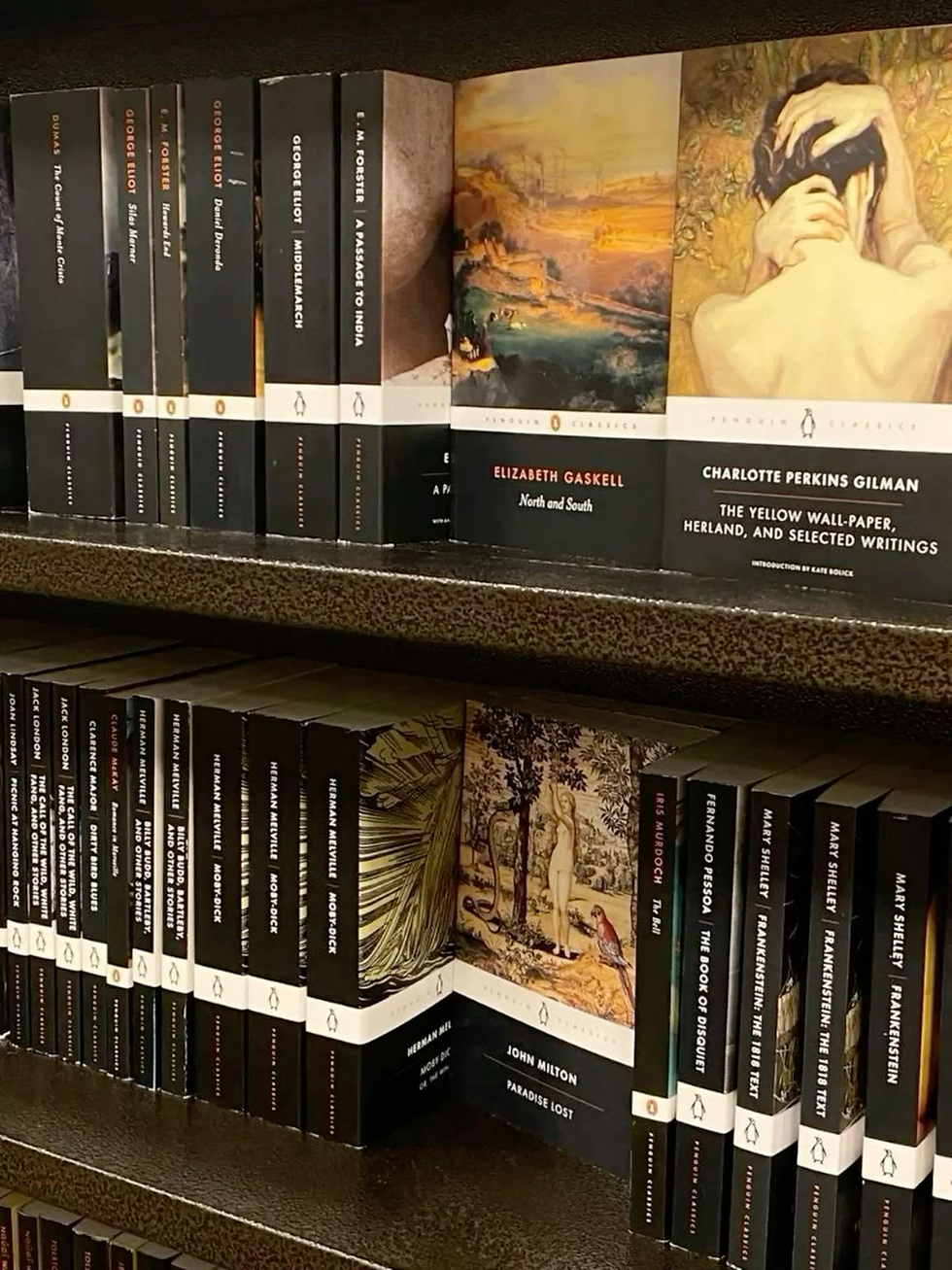
They are big, chunky, sometimes convoluted and almost always put on a pedestal. It’s easy to believe that classics are not for you. You may believe it to be true because of how classics are represented in the media or who you see talking about them. This snobbish, literary caricature is something that a lot of us struggle to recognise ourselves in, but I am here to tell you that classics are for you. In fact, they are for everyone.
When I was younger I assumed classics were boring and confusing and definitely not something I’d enjoy. I thought I’d struggle to understand them and was therefore intimidated by them. Then I watched Pride and Prejudice and promptly read the book and realised just how wrong I was.
Reading classics doesn’t have to be dull and obnoxious; genre is still very much a thing. If a long book about Victorian social struggles sounds a bit much for you, try a comedy or romance. Don’t make it harder for yourself and read what you will enjoy.
Moreover, don’t overcomplicate it. If the language feels confusing or you're struggling with the context, landscape or time period of the novel; have a look at a study guide. Sparknotes is a great resource and there are plenty of websites like it. I’d even recommend reading summaries if that’s something that might help you.
Audio books are great if hearing dialogue spoken aloud will make it more digestible for you. Podcasts are another great resource. A favourite of mine is ‘Save me from my shelf’, where the co-hosts do plot summaries in a very funny, light hearted way. You don’t have to make reading classics super serious and scholarly. If poking fun at classics makes them less intimidating (I know it does for me) then absolutely do it.
My biggest piece of advice, especially if you are finding language in classics confusing or convoluted, is to work your way back through time. Language, like most things, evolves and by backtracking through it you’ll often find it becomes more digestible to read. A lot of the time at the start of a book you might have to reread sentences or deconstruct them to get some sense out of them but after a while your brain will adjust and you’ll read with ease.
If you're looking for somewhere to start I’ve made a timeline with recommendations that you can work your way back through time with. This obviously isn’t an exhaustive list and I’ve not been picky with genre. It’s a way back through time with some literary big hitters.
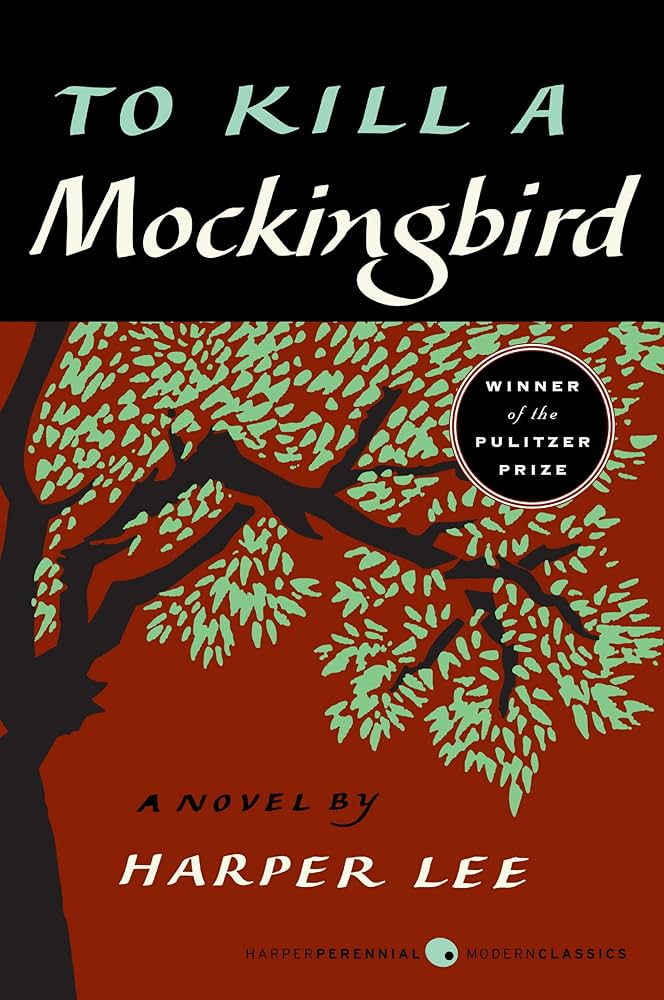
To Kill a Mockingbird, Harper Lee (1960)
Follows a young girl’s coming of age in 1930’s Alabama. The novel explores racism, a fight for justice and a loss of innocence.

1984, George Orwell (1949)
A dystopian, totalitarian future, where everything and everyone is observed and controlled. The book explores how total control and propaganda destroys individuality and freedom.
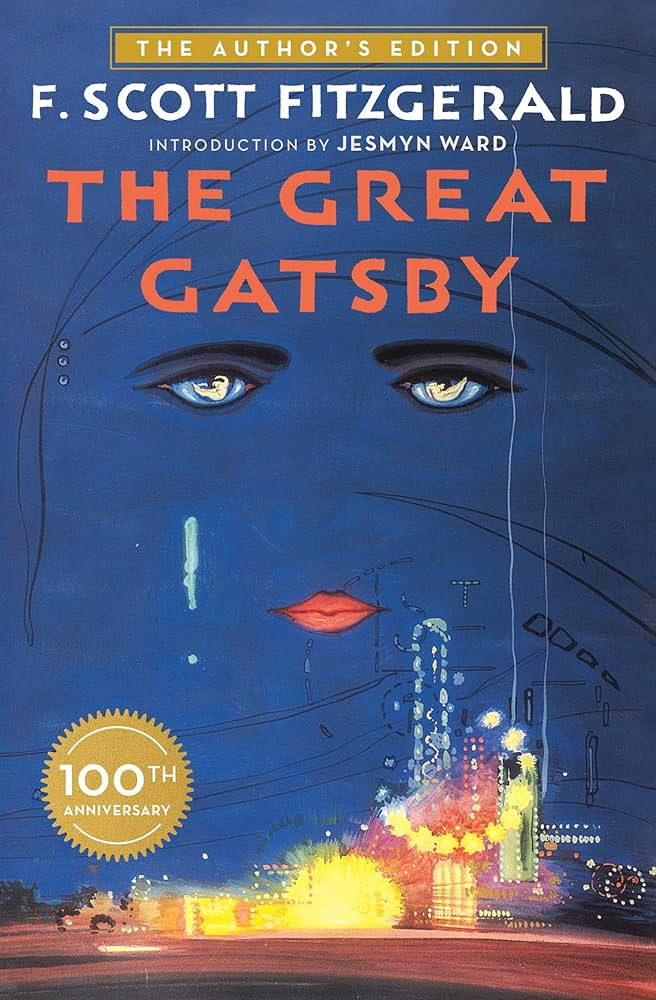
The Great Gatsby, F. Scott Fitzgerald (1925)
Gatsby, a millionaire and extravagant party thrower, pursues his past love; Daisy Buchanan. The book deconstructs the American dream and shows the havoc caused by obsession.

The Hound of the Baskervilles, Arthur Conan Doyle (1902)
Sir Charles Baskerville is found dead with terror marked across his face in Dartmoor. Holmes and Watson are called to investigate but not everything is as it seems. Spooky moors, howls of spectral hounds and mysterious figures await.

The Picture of Dorian Gray, Oscar Wilde (1890)
Dorian Gray trades his soul for eternal beauty and youth. Only his portrait shows the marks of his corruption and hedonism. How long can he maintain a double life, hiding his sins from his public reputation?

Carmilla, J. Sheridan La Fanu (1872)
Laura is a young, isolated girl whose world changes when the mysterious and seductive Carmilla enters her life. A gothic novel with queer themes and steeped in sexual tension.

Jane Eyre, Charlotte Bronte (1847)
Follows the orphaned Jane as she comes of age, escaping a harsh childhood and meeting the Byronic Mr Rochester whose brooding nature hides a dark secret.

Pride and Prejudice, Jane Austen (1813)
An obvious choice. Explores social dynamics in a love story complicated by… pride and prejudice.

The Castle of Otranto, Horace Walpole (1764)
The OG gothic novel. Expect supernatural visions, spooky castles and some weirdness as Manfred tries to stop an ancient prophecy.

Paradise Lost, John Milton (1667)
An epic poem about the corruption of Adam and Eve and their expulsion from the garden of Eden.

Macbeth, William Shakespeare (1623)
A battle and a prophecy lead to a violent pursuit of power. A Shakespeare play had to be on this list somewhere.

Utopia, Thomas More (1516)
A socio-political satire about an idealised island that is rational and religiously tolerant. The book criticises the corruption of 16th century Europe, something that Thomas More is especially qualified to do.

Sir Gawain and the Green Knight, Gawain Poet (late 14th century)
An Arthurian poem following Gawain on his journey after he accepts a challenge from the mysterious green knight. (I read Simon Armitage's translation but there is also a Tolkien one)

Beowulf, ? (somewhere between 700-750AD)
An Anglo-Saxon poem following the epic journey of Beowulf. Like many old texts, this poem is originally of the bardic tradition and was passed down from being spoken aloud. There are plenty of written versions to choose from.

The Odyssey, Homer (Somewhere between 725-675BC)
Epic poem following Odysseus on his journey home after the Trojan war. A Cyclops, men turning to pigs, the underworld, sirens, Greek gods and all sorts. An epic of Greek mythology- look at the Iliad also.


Comments